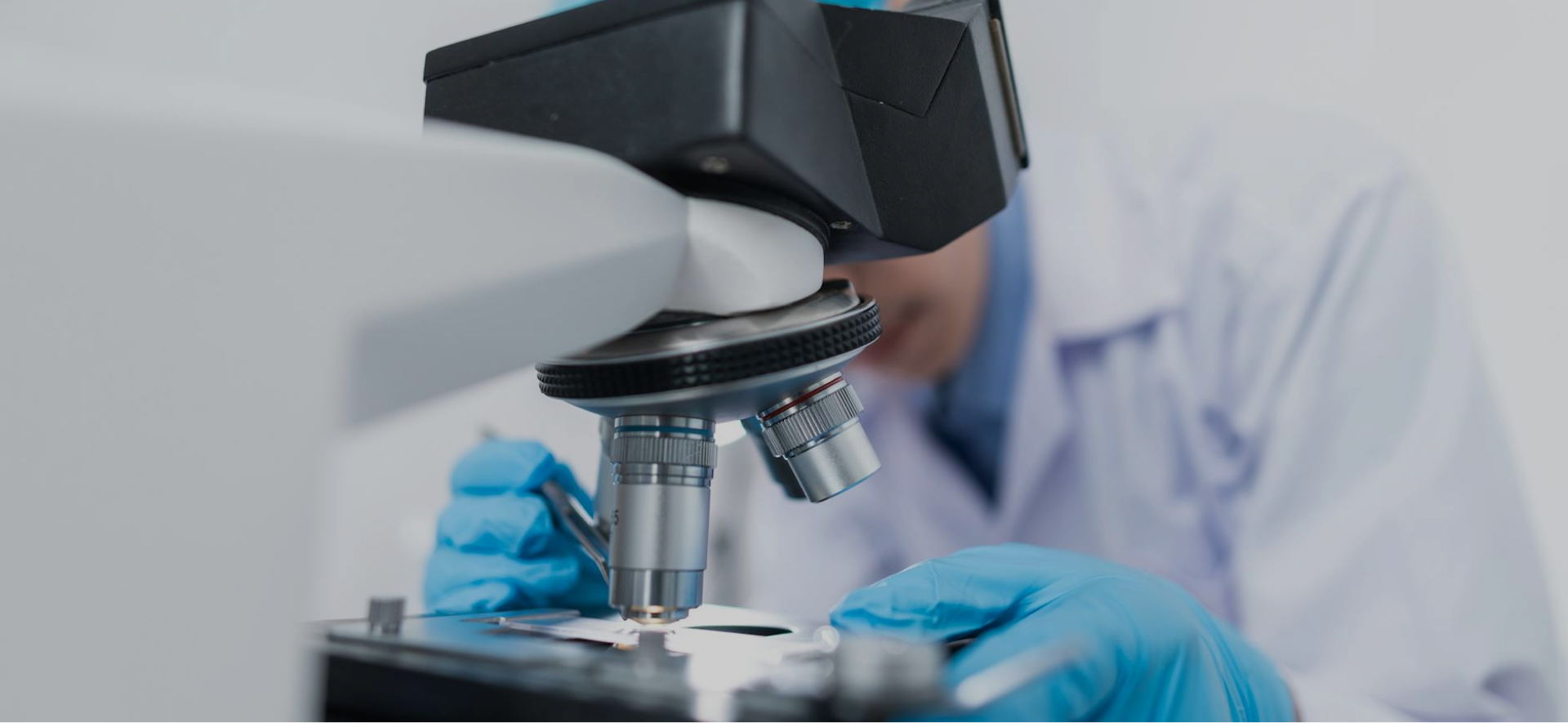
Clinical workflow optimization is the work of mapping how care actually moves through a facility, then changing the technology and the process around it so clinicians spend less time documenting and more time with patients. Our healthcare consultants blend clinical workflow, informatics, and security expertise to remove friction from intake through discharge.
The work runs from assessment through adoption. We document current and future state, plan device selection with the people who will use it, run the pilots, and stay through deployment and training.

CURRENT CHALLENGES


SOLUTIONS THAT MATCH THE CHALLENGES

An open API framework that connects existing systems, improving documentation timeliness by up to 85% and reducing overtime by as much as 55%.
Integrated process optimization across clinical and operational systems.
Workflow analysis that identifies where time is lost before any technology gets specified.
Reduce length of stay by a full day with care conduit workflow optimization solutions.

TRUSTED BY
We’re proud to partner with some of the most respected names in the industry, delivering innovative IT solutions that drive lasting success.









Workflow Transformation for Clinical Care
With over 25 years of consulting experience, Derive helps providers turn workflows into efficient, scalable, patient-focused processes. Our process adapts to organizations of any size, from major hospital systems to long-term care facilities and private practices.
Our workflow transformation work includes:
Workflow Collaboration: bedside documentation, barcode medication administration, nursing and pharmacy processes, and specialty physician requirements.

Current & Future State Documentation: mapping assets, device density, power consumption, and staffing needs.
Device Selection Planning: engaging stakeholders, defining requirements, and developing detailed project roadmaps.
Technology Fairs & Pilots: coordinating manufacturer logistics, proofs of concept, evaluations, and internal marketing initiatives.
Deployment, Training & Support Planning: ensuring successful adoption, staff readiness, and long-term reliability.
Altogether this strategy has proven to help organizations reduce inefficiencies and keep care continuous. The bedside documentation and barcode administration work connects directly to medication management and clinical point-of-care technology.
Assessments and Documentation
Derive also provides digital maturity assessments and GAP analyses that show where an organization stands before a roadmap gets written. Our consultants work across strategy and execution, so the assessment leads into a plan someone can actually build. For engagements that start further upstream, see our healthcare IT consulting services.

Why Choose Derive for Workflow Optimization?
Derive combines industry knowledge, vendor-certified expertise, and decades of consulting experience to align technology with clinical needs. We focus on efficiency, compliance, and scalability, which lets healthcare providers reduce costs, improve care delivery, and prepare for growth.
The work continues after the recommendation. We build the roadmap, run the pilots, manage the deployment, and support the result long-term.

Healthcare Technology Partners
Advantech is a global leader in healthcare technology, working closely with medical equipment manufacturers to create patient-centered solutions. Their offerings include point-of-care medical computers, medical computing carts, real-time surgical imaging, and healthcare information terminals.
Amico designs and manufactures innovative healthcare solutions for nearly every hospital department. Their portfolio spans headwalls, casework, suction and oxygen regulators, safe patient handling systems, lighting, computer workstations, medical air/vacuum systems, patient furniture, and diagnostic equipment.

Barco delivers advanced visualization solutions to enhance clinical decision-making. In radiology, their Nio and Coronis diagnostic displays deliver superior image clarity, while their FDA-approved Mammo Tomosynthesis 5MP system advances mammography imaging.

Capsa Healthcare leads in medication management, IT healthcare, and pharmacy automation across hospitals, long-term care, and ambulatory centers worldwide. Derive integrates Capsa’s point-of-care solutions with secure IT infrastructure, wireless capabilities, and clinical best practices.

Chargetech’s portfolio includes mobile charging stations, smart lockers, and device power solutions designed to keep users connected in high-traffic environments. Built for workplaces, healthcare facilities, education, and public spaces, these solutions enhance user experience, reduce device downtime, and provide secure, reliable access to power throughout the day.
Code is a leader in image-based barcode scanning systems purpose-built for healthcare. Their solutions support patient administration, supply chain tracking, lab sample verification, and pharmacy operations. Devices are disinfectant-ready and carry the industry’s highest IP rating.

Ergotron delivers ergonomic medical carts, wall-mounted workstations, and telehealth solutions designed for healthcare workflows. StyleView and CareFit carts streamline documentation, patient medication dispensing, and clinical review processes.

Fujitsu’s Imaging Solutions group offers compact, high-performance document scanners optimized for healthcare environments. The award-winning fi-800R enables efficient batch scanning of varied media, from IDs to envelopes, in minimal desk space.
ACL’s portfolio includes medical-grade computing solutions, including all-in-one PCs, displays, and mobile technologies designed for healthcare and other regulated environments. Built with a focus on reliability, hygiene, and long lifecycle support, these solutions help organizations maintain consistent performance, support clinical workflows, and meet the demands of secure, high-availability operations.

Humanscale designs ergonomic healthcare technology solutions that improve patient safety, caregiver efficiency, and clinical accuracy. Their TouchPoint mobile carts, MedLink medication management systems, and ViewPoint wall stations enhance workflows.
JACO manufactures point-of-care EMR mobile carts, wall stations, and arm systems crafted from aircraft-grade materials. Their EVO series emphasizes ergonomics, infection control, LiFePO4 battery technology for long runtimes, and fully customizable configurations.

Metro provides durable storage and workflow solutions for healthcare, including medical carts, shelving, PPE storage, and protective safety shields. Their modular, customizable systems help improve organization, enhance accessibility, and maintain strict infection control standards.

Seal Shield develops infection prevention technologies such as fully washable, antimicrobial keyboards and mice, protective device cases, Airocide™ air purification, and UVC disinfection. Their products are engineered for medical use with durability at the forefront.

Zebra delivers barcode scanning, printing, and tracking solutions that improve patient identification, specimen collection, medication safety, and asset management. Their disinfectant-ready devices are built for continuous use and integrate with hospital systems.


With Derive, healthcare providers gain a strategic partner committed to improving operational efficiency, reducing costs, and enhancing patient outcomes.

From streamlined IT operations to enhanced security, these success stories reflect the trust businesses place in Derive Technologies — and the results we deliver every day.




FREQUENTLY ASKED QUESTIONS

It is the process of mapping how work moves through a clinical environment, then changing the technology and process around it to remove delay. The mapping comes first, because specifying devices before understanding the workflow is how organizations end up with technology clinicians work around.
By optimizing documentation, staffing, and device usage, workflows become more efficient, which reduces errors and lets clinicians focus on patients. Time returned at the bedside is the measure that matters, and it shows up in documentation timeliness and overtime before it shows up anywhere else.
It depends on the number of units and systems in scope. Current and future state documentation usually takes longer than the changes themselves, because it requires observing how work actually happens rather than how the process document says it should.
Yes. We map assets, device density, power consumption, and staffing needs before any recommendation. That baseline is also what makes the result measurable, since without it there is nothing to compare the change against.
Mostly by connecting systems that do not share data, so clinicians stop entering the same information twice. An open API framework across existing systems has improved documentation timeliness by up to 85% and reduced overtime by as much as 55%.
Let’s build your IT success plan
Ready to optimize, secure, and future-proof your technology? Our experts will assess your current IT environment, identify opportunities for improvement, and create a tailored roadmap to help your business thrive.